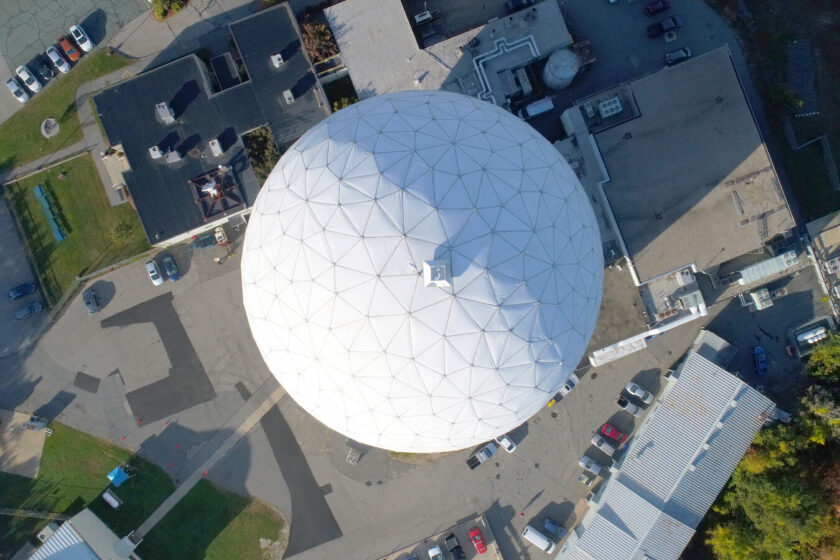
What we doMIT Haystack Observatory is a multidisciplinary radio science research laboratory in northeastern Massachusetts
Our missionStudy the structure of our galaxy and the larger universeAdvance scientific knowledge of our planet and its atmosphereEnhance technology development to serve radio and space scienceContribute to the education and training of the next generation of scientists and engineers
Our missionStudy the structure of our galaxy and the larger universeAdvance scientific knowledge of our planet and its atmosphereEnhance technology development to serve radio and space scienceContribute to the education and training of the next generation of scientists and engineers
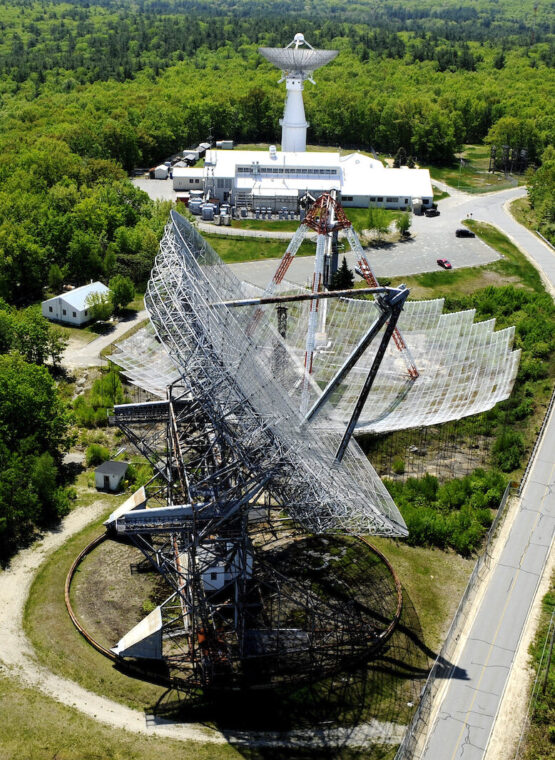
AstronomyQuestions that captivate us: the origin and evolution of the universe, emissions from galaxies and black holes, and the births of starsLearn About Astronomy
GeodesyAccurately measuring Earth's geometric shape and orientation in space by observing deep-space objects with telescopes at Haystack and worldwide.Learn About Geodesy
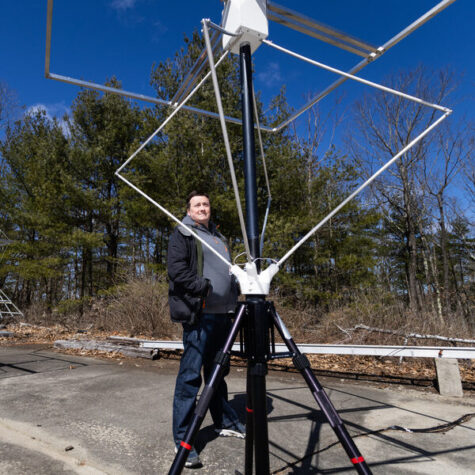
GeospaceExploring the space environment of the Earth using radars, satellites, radio arrays, and global navigation satellite systems.Learn About Geospace
Space TechnologyCurrent Haystack space technology projects include MOXIE, an instrument on the Mars Rover 2020, and CubeSats to study the Earth's aurora borealis.Learn About Space Technology
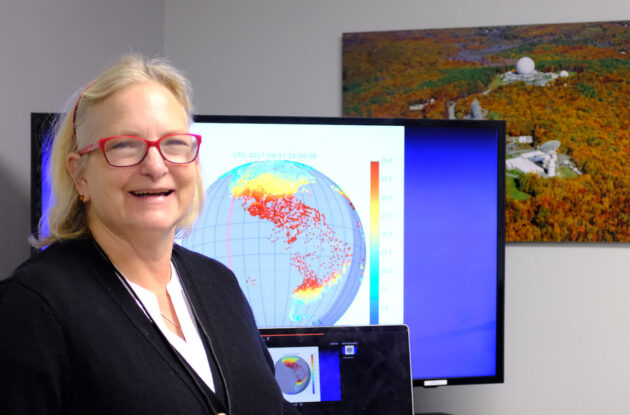
Our researchersMeet some of the talented scientists, engineers, and staff who work at MIT Haystack ObservatoryOur researchers
Our community
StudentsEducation at HaystackWe offer a hands-on research internship program for undergraduates every summer and more: education is an important part of our mission.